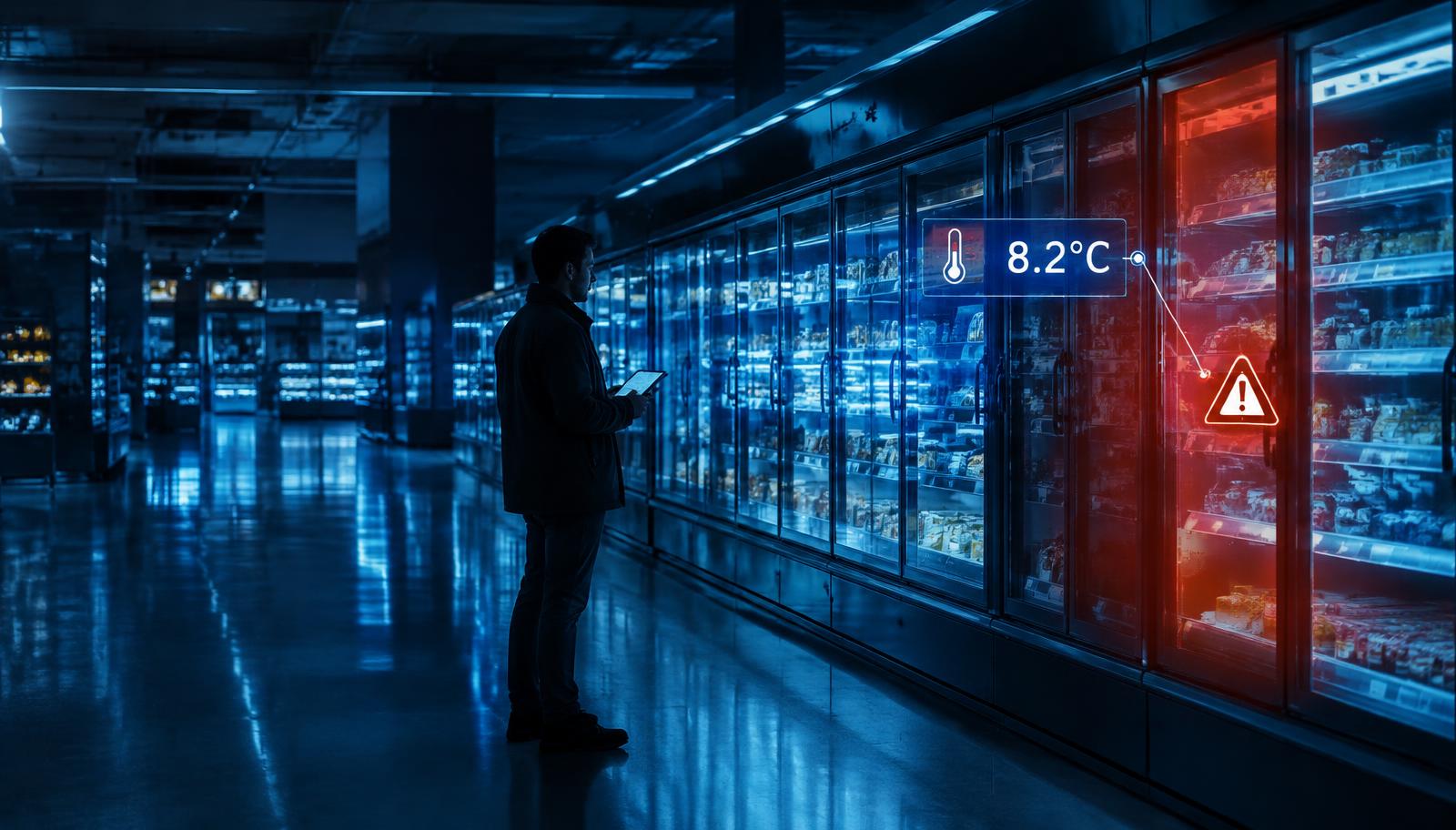
The October 2026 attack on French supermarkets left a clear trace that almost nobody was watching: electricity [1][2]. Heating elements running all night draw a very unusual amount of power. This article looks at the attack from the energy side.
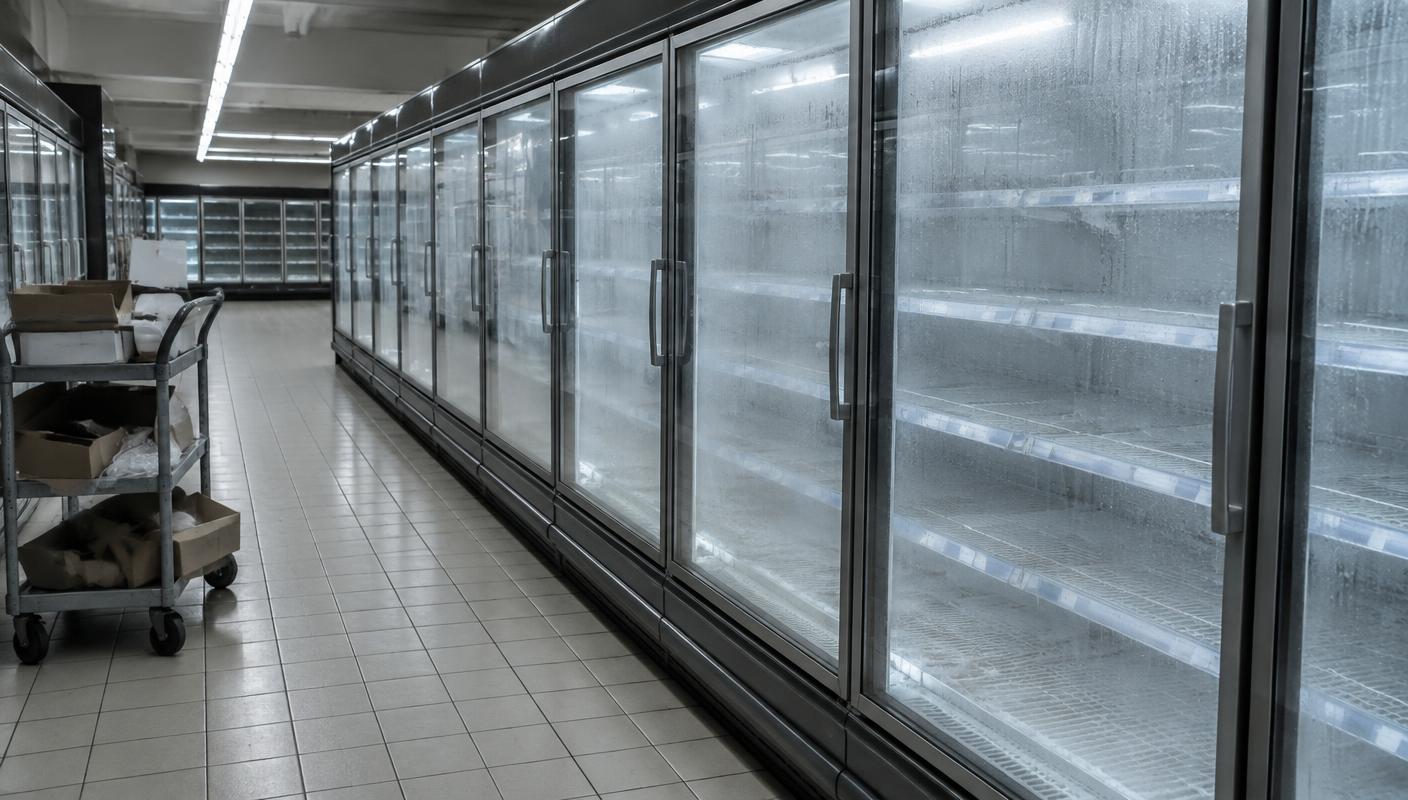
The problem: energy only seen on the monthly bill
A signal that arrives too late
Units were ordered to heat up and stay hot [2]. That shows up immediately in the electrical panel, but in most chains energy is only reviewed when the invoice arrives.
Why energy is a good second witness
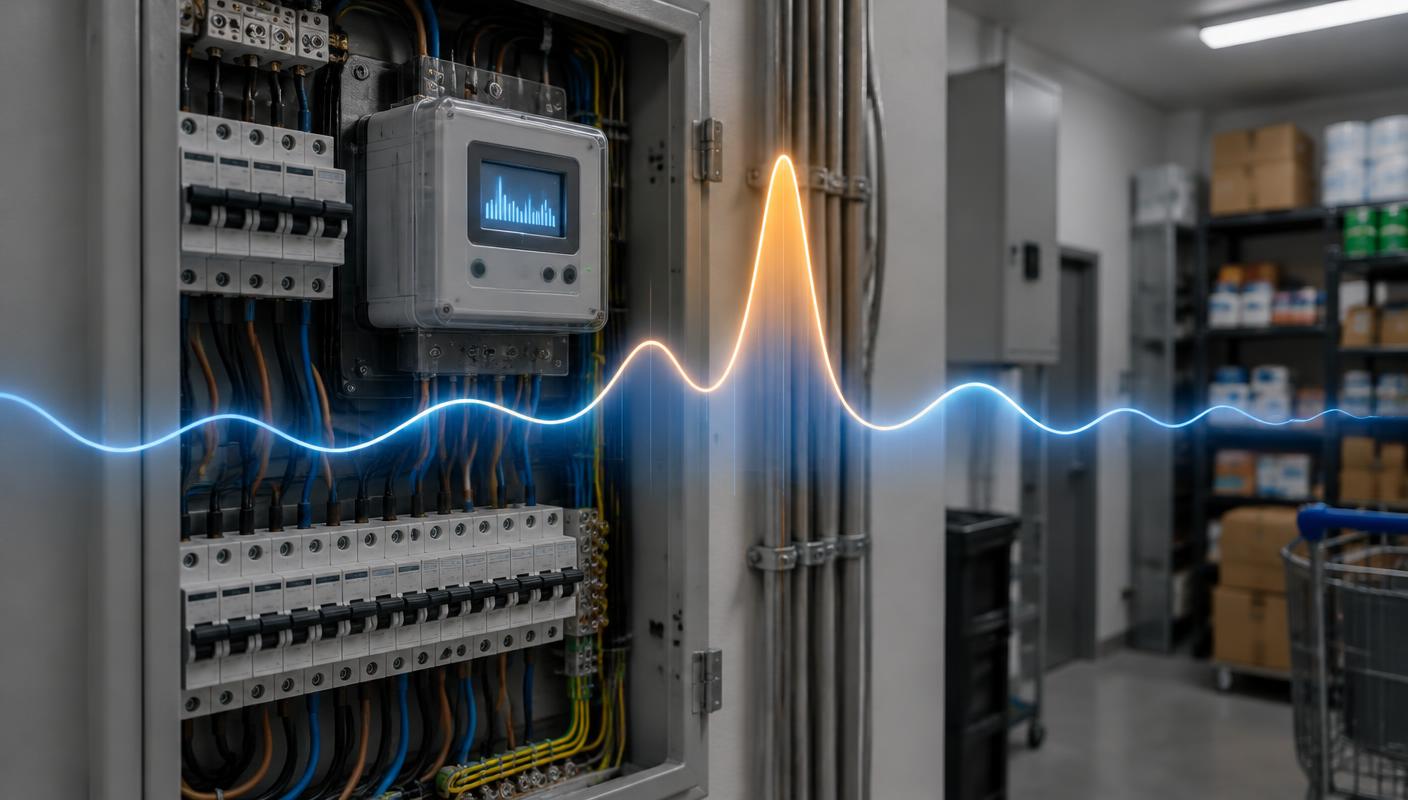
An attacker can make a controller lie about temperature. It is much harder to hide the power drawn by heating elements, because the meter is a separate device.
How WorkyEtta confirms it

Near real-time metering
Meters and analysers in the panel send consumption in short intervals, per store and per circuit where available.
Knowing what normal looks like
WorkyEtta learns each store's normal profile, including defrost cycles and opening hours. Hours of continuous heating load at night stand out immediately as an anomaly.
Cost and carbon in the same view
The same data shows the cost of the incident in energy, alongside the stock lost, which helps with insurance and reporting.
Where WorkyEtta fits in the end-to-end chain



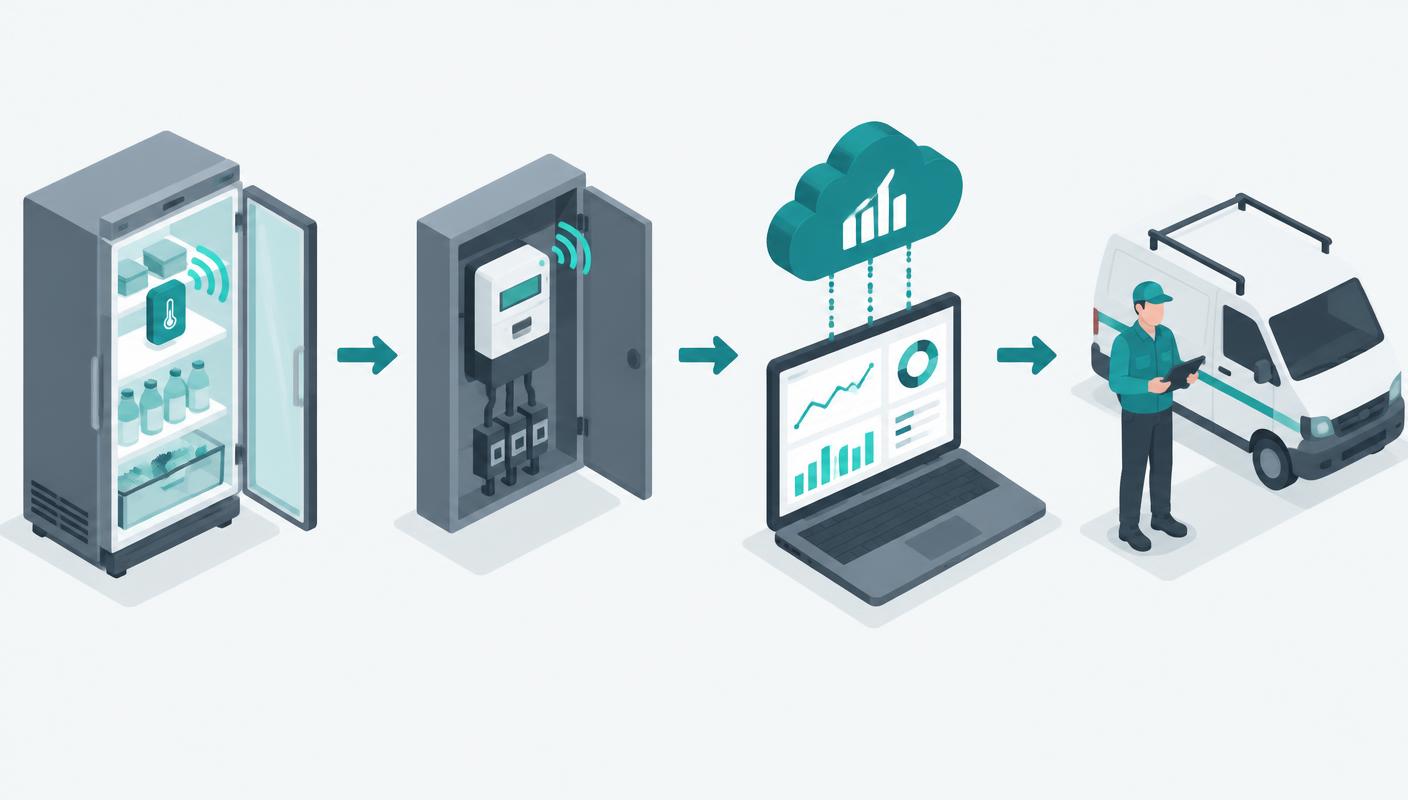
- WorkySens detects: independent temperature probes inside the cabinets report the real temperature on their own network.
- WorkyEtta confirms: panel meters show heating elements drawing power far beyond a normal defrost cycle.
- WorkyCore decides: temperature and energy signals from the same store are correlated into one priority incident.
- WorkyField acts: a work order reaches the nearest on-call technician with the store, cabinets and readings attached.
Each layer is useful alone, but the protection comes from the chain: an alarm that is confirmed by a second, independent signal and ends with a person on site.
Checklist for energy teams
- Find out which stores have interval metering today.
- Prioritise refrigeration circuits for sub-metering.
- Set night time load alerts per store profile.
- Share energy anomalies with operations, not only with finance.
Sources
All sources published on 12 October 2026. Figures differ between outlets and are given as reported.
- AFP: French supermarkets suffer refrigerator shutdown after 'unprecedented' cyberattack
- BBC News: Fridges in French supermarkets hit by cyber attack
- The Guardian / Reuters: Hackers force French supermarket fridges to heat up to 50C in 'unprecedented' cyber-attack
- France 24: 'Unprecedented' cyberattack targets refrigeration units at hundreds of French supermarkets
- CNET: Cyberattack Targets French Supermarket Refrigerators, Forcing Mass Food Disposal
- CBS News: Hackers turn up the heat in refrigerators at hundreds of supermarkets in France