
TL;DR: CBAM (Carbon Border Adjustment Mechanism) adds a carbon price to carbon-intensive goods imported into the EU. When the transitional phase ends and financial liability begins in 2026, exporters that cannot measure their footprint will be charged at high default values. Preparation has to start now.
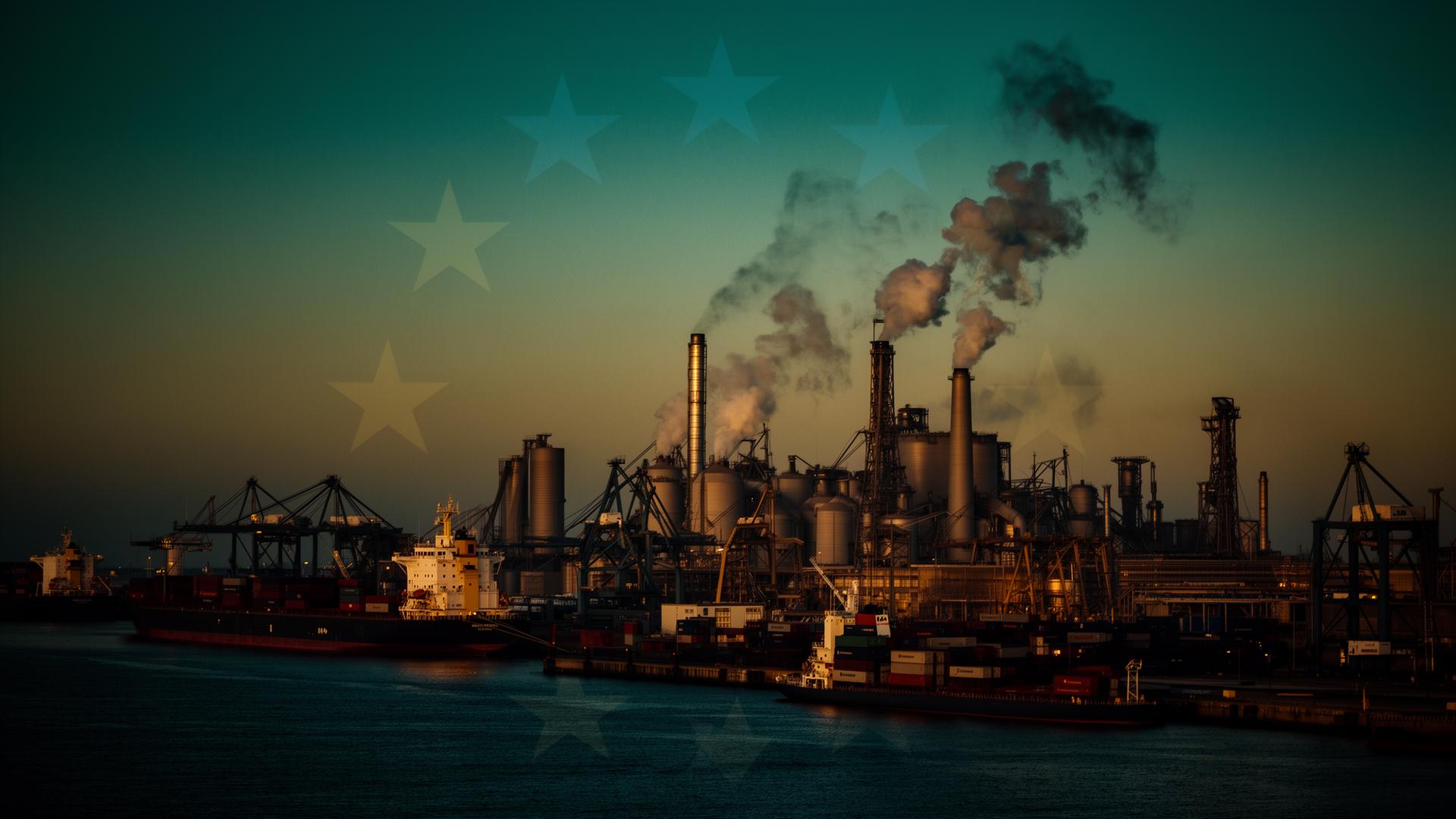
What Exactly Is CBAM?
CBAM is a cornerstone of the EU Green Deal. The objective: extend the carbon cost that EU producers already pay (through EU ETS) to imported goods, so domestic decarbonisation is not undermined by carbon leakage. In practice, importers will have to surrender CBAM certificates matching the embedded emissions of the goods they bring in.
Scope: Which Sectors Are Affected?
- Cement
- Iron & steel (plus downstream items such as screws and bolts)
- Aluminium
- Fertilisers
- Electricity
- Hydrogen
Scope will widen over time; organic chemicals and polymers are next in line. A meaningful share of Türkiye''s exports to the EU sits inside these sectors — making CBAM a direct competitiveness issue.
Timeline
- Transitional Phase (1 Oct 2023 – 31 Dec 2025): Reporting only. Quarterly CBAM reports; no financial obligation yet.
- Full Application (from 1 Jan 2026): Importers must purchase CBAM certificates matching embedded emissions. As free allowances in EU ETS phase down, CBAM exposure rises.
- 2034: Free ETS allowances fully phased out; CBAM is at full effect.
What Should an Exporter Do?
1. Measure Your Carbon Footprint
Start with accurate direct (Scope 1) and electricity-related (Scope 2) emissions per product. CBAM also requires indirect emissions for some product groups. Estimates are not enough — you need numbers backed by meter data, invoices and production records.
2. Build the Data Backbone
CBAM reports demand traceable data by facility, supplier and product SKU. Excel-based workflows collapse at scale. The meter → ERP → reporting pipeline must be automated and auditable.
3. Prepare for Independent Verification
From 2026, reported emissions must be verified by accredited bodies. Keeping versioned, time-stamped data today lowers verification cost tomorrow.
4. Build a Reduction Roadmap
Energy efficiency, renewable PPAs, process electrification and waste-heat recovery let you manage CBAM exposure by reducing emissions, not just paying for them.
Common Mistake: "I''ll Just Use Defaults"
When real emissions are not reported, CBAM applies EU default values. Those defaults are intentionally conservative (high) — so skipping measurement is, in practice, a self-imposed cost penalty.
The WorkyBe / ETTA Approach
Our ETTA energy platform unifies hourly consumption, supply mix and production data so you can produce facility- and product-level carbon accounts. WorkyBe''s work-order layer turns efficiency measures into traceable field actions, not slide decks.
Bottom Line
CBAM is not a tax — it is a new rule of competition. Companies that measure, reduce and report carbon will defend their EU position; companies that wait will pay the default premium. 2026 is close. Preparation starts today.